Walls & FinishesGuide
How Much Paint Do I Need? Gallons, Coats & Coverage
Measure your walls, subtract unpainted openings and account for coats and product coverage. Use these worked examples to turn surface area into a practical paint purchase.
Walls & FinishesGuide
How Many Sheets of Drywall Do I Need? Area, Sizes & Waste
Measure walls and ceilings, account for openings, choose a panel size, and allow for cutting waste. Use the worked examples and sheet-count tables to build an initial estimate, the...
RoofingGuide
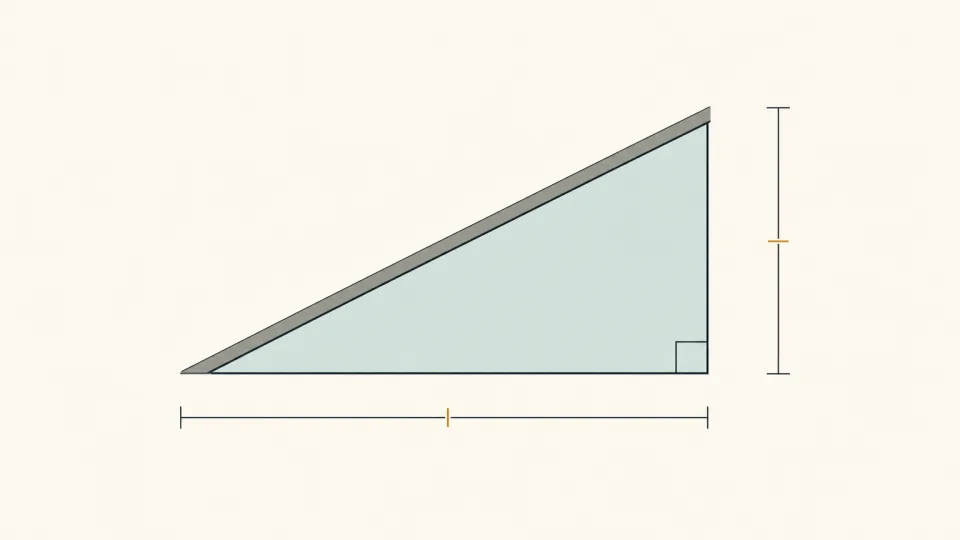
How Many Shingles Do I Need? Roof Squares, Bundles & Waste
Estimate asphalt-shingle bundles from actual roof area—not house floor area. Learn how to account for pitch, convert square feet into roofing squares, verify bundle coverage, and a...
Plumbing & PipesGuide
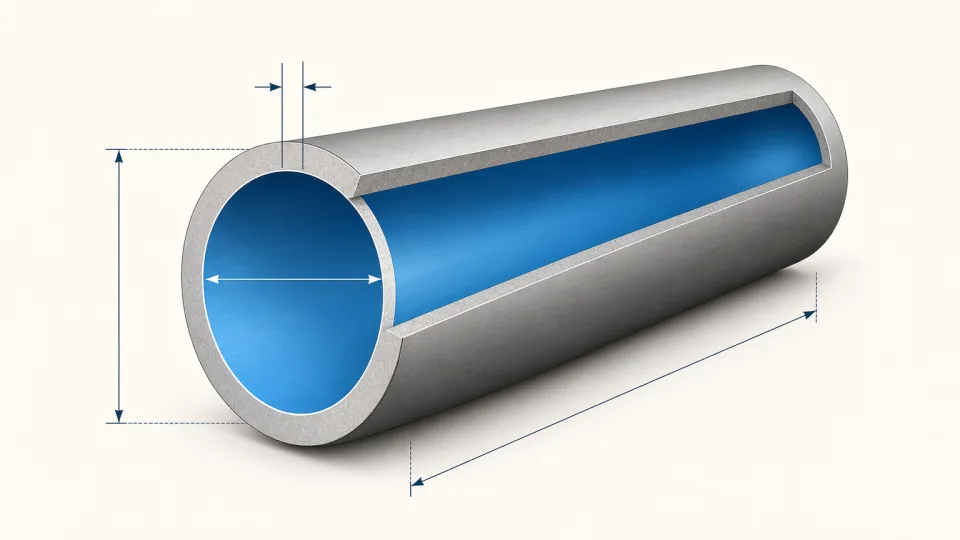
How to Calculate Pipe Volume: Formula, Liters, Gallons & Worked Examples
Calculate the internal capacity of a pipe using its actual inside diameter and length. Learn reliable unit conversions, follow metric and imperial examples, and avoid common sizing...
Concrete & MasonryGuide
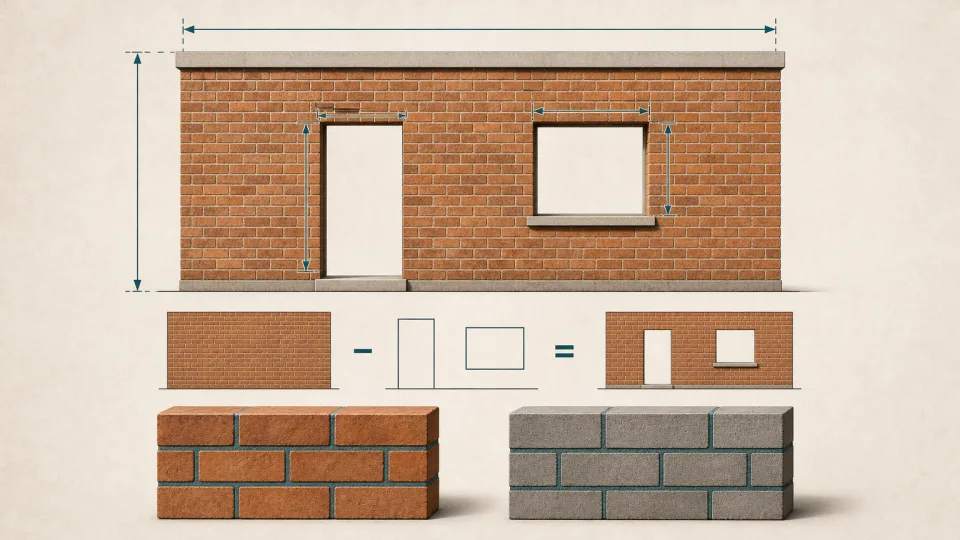
How Many Bricks or Concrete Blocks Do I Need? Complete Wall Quantity Guide
Calculate brick and concrete block quantities from net wall area, unit dimensions and mortar joints, with practical examples for openings, multiple walls and metric masonry.
Concrete & MasonryGuide
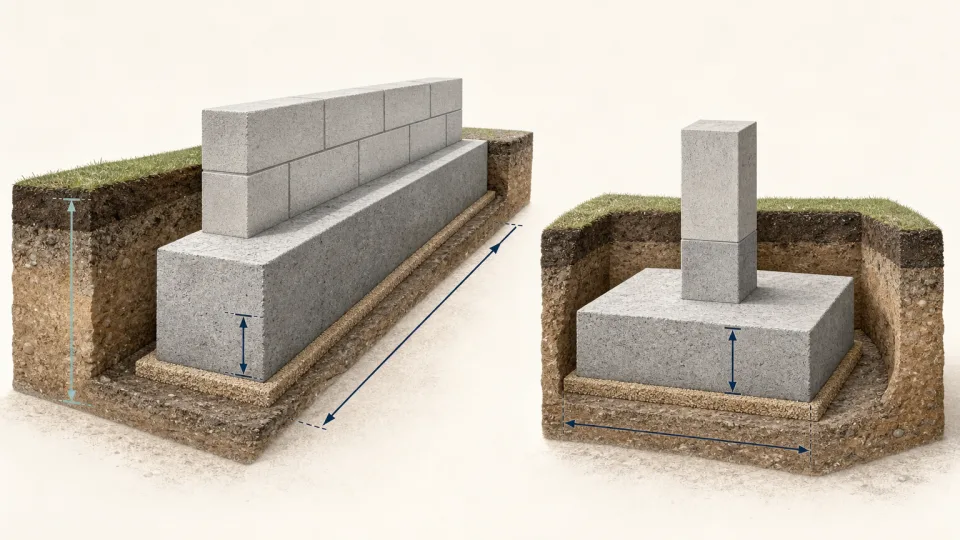
How Much Concrete Do I Need for Footings? Complete Footing Volume Guide
Calculate concrete footing volume in cubic yards or cubic meters, add multiple sections correctly, and account for excavation variation before estimating your order.
Concrete & MasonryGuide
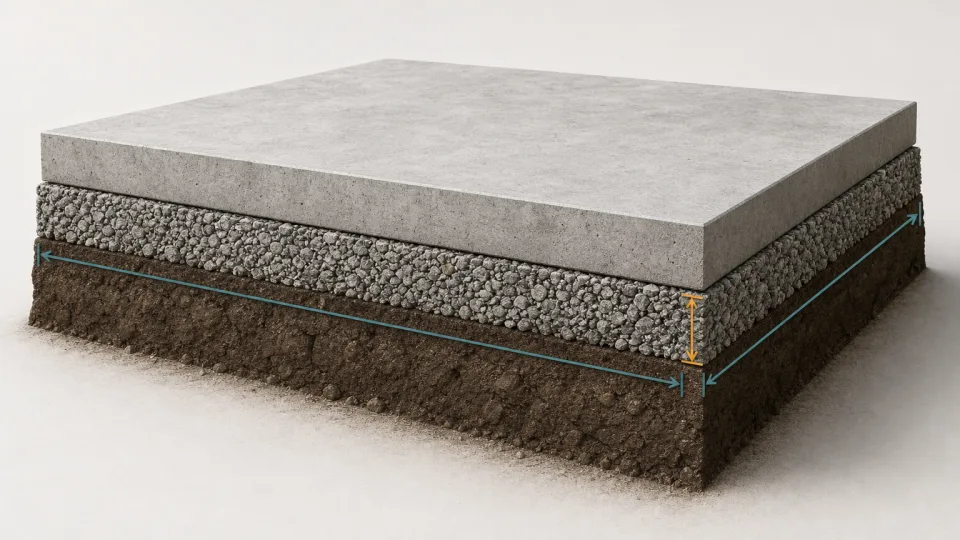
How Much Gravel Do I Need Under a Concrete Slab? Base Depth & Quantity Guide
Calculate the gravel or crushed-stone base beneath a slab using its footprint and planned base depth. Compare common sizes, distinguish compacted volume from delivered material, an...
Concrete & MasonryGuide
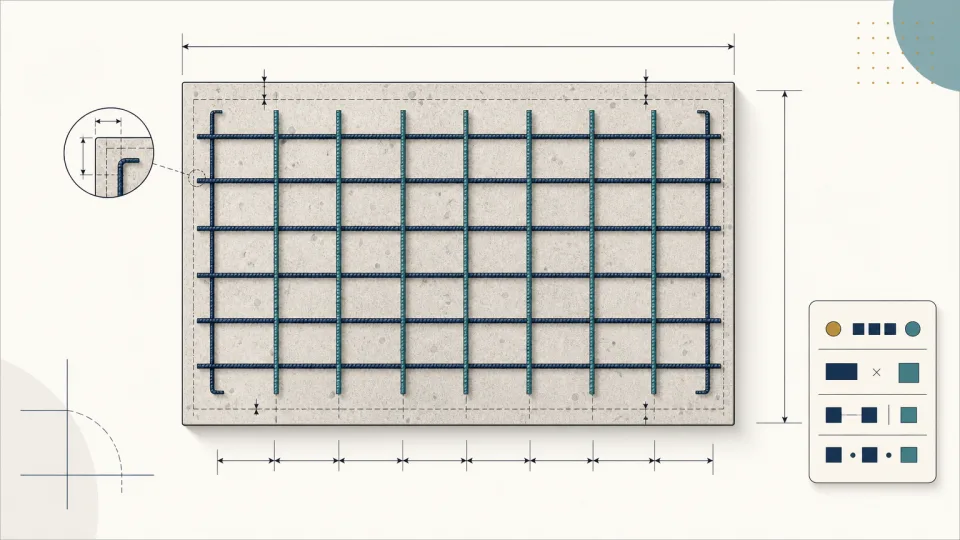
How Much Rebar Do I Need? Complete Rebar Quantity & Spacing Guide
Calculate rebar quantities for slabs and footings using clear formulas, worked examples and spacing tables. Learn how cover, reinforcement layers, laps and stock lengths affect you...
Concrete & MasonryGuide
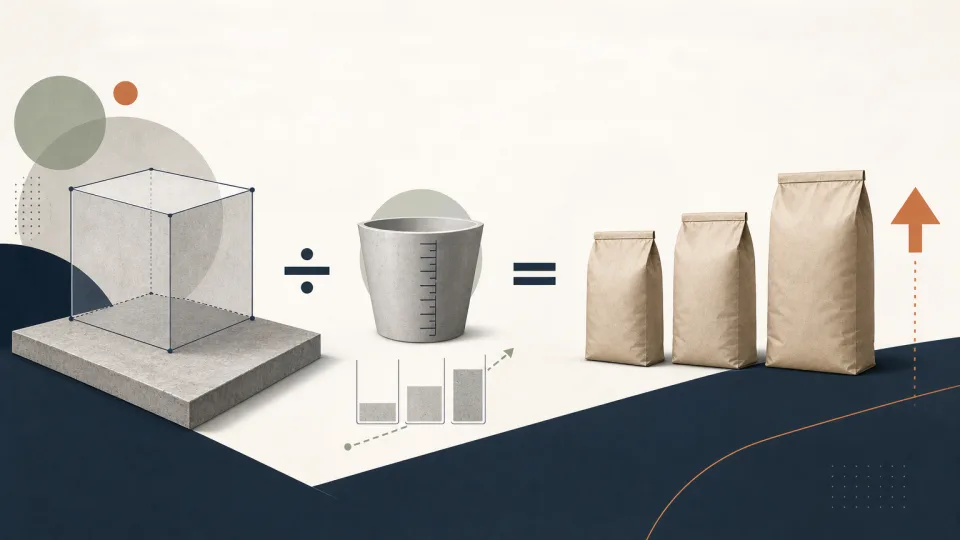
How Many Bags of Concrete Do I Need? 40, 60 & 80 lb Guide
Find your concrete bag count from project volume and the product's documented yield. Compare 40, 60 and 80 lb bags with worked examples for slabs, posts and footings.
Concrete & MasonryGuide
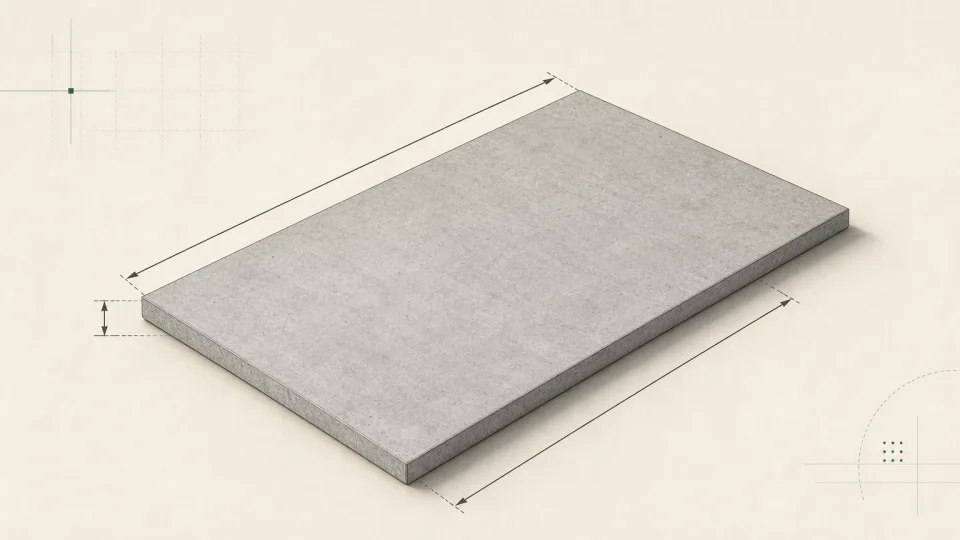
How Much Concrete Do I Need? Complete Slab, Footing & Bag Guide
Work out concrete volume for slabs, patios, driveways, footings and small pads, with clear unit conversions, worked examples and practical guidance on bags and ordering allowances.
Solar & EnergyGuide
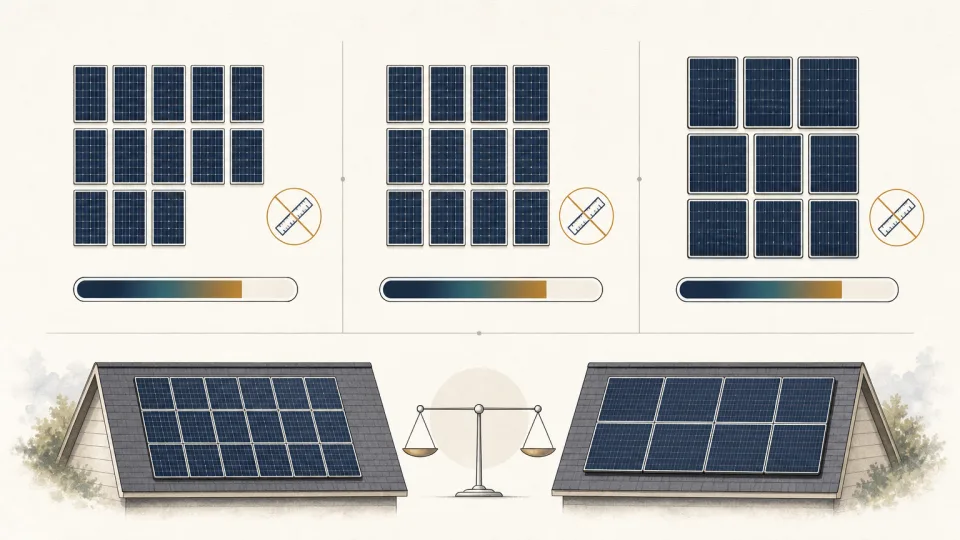
400W vs 450W vs 500W Solar Panels: Which Wattage Is Best?
Higher wattage means more rated power per panel—not necessarily better efficiency or a better roof layout. Compare panel counts, roof area and electrical requirements before choosi...
Solar & EnergyGuide
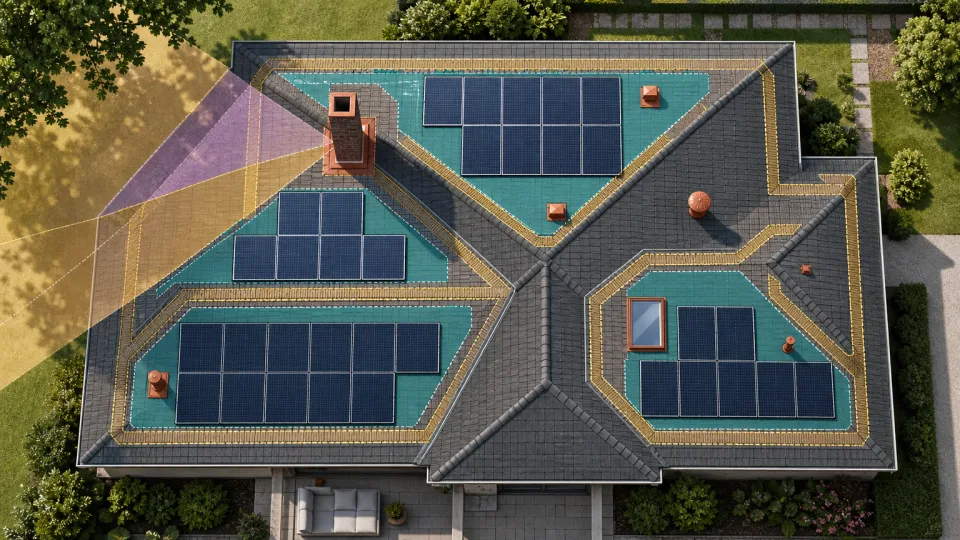
How Much Roof Space Do Solar Panels Need?
Estimate whether your roof can accommodate a solar array using panel count, real module dimensions and practical layout checks—not just total roof area.
Solar & EnergyGuide
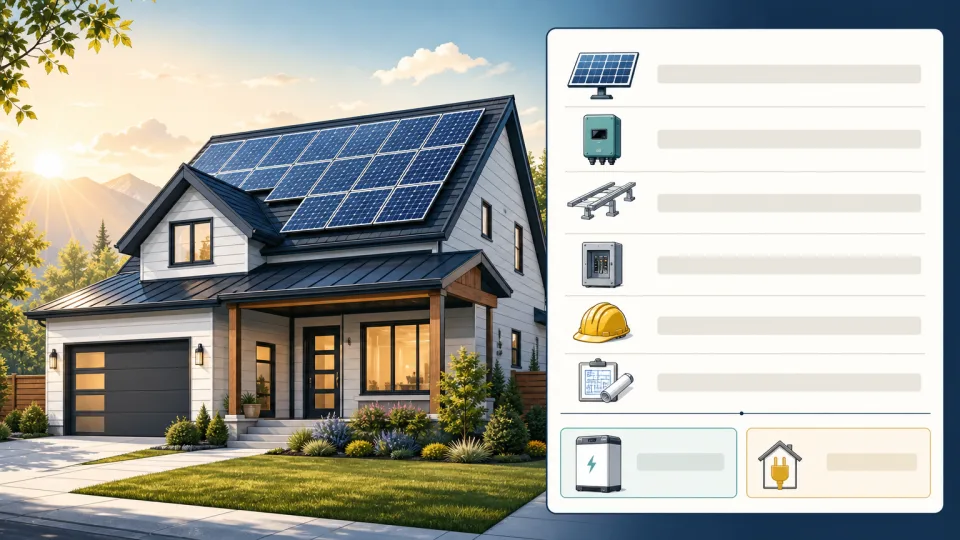
U.S. Solar Panel Costs in 2026: Price per Watt & Quote Guide
Use the H1 2026 U.S. solar-only benchmark of $2.62/W before incentives to estimate common system sizes and compare current installer quotes fairly.
Solar & EnergyGuide
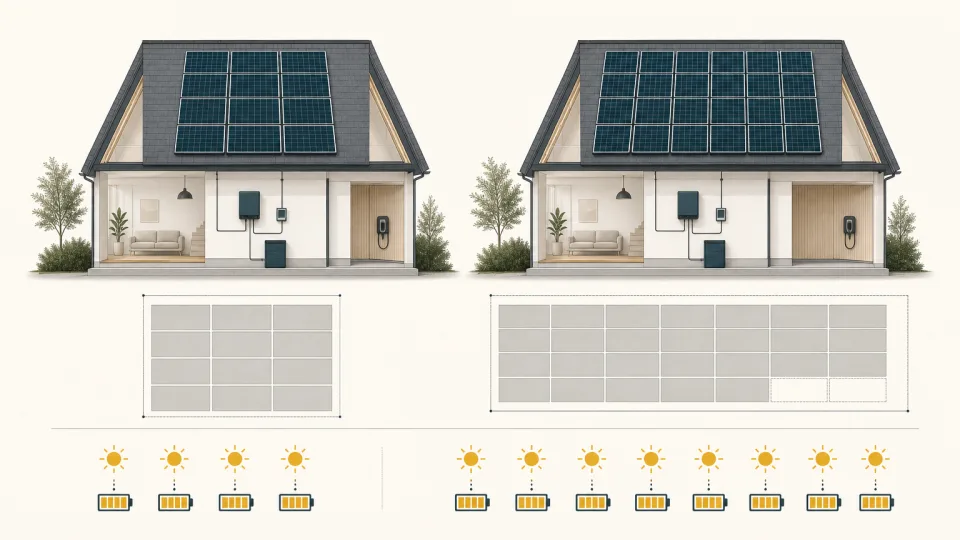
5kW vs 10kW Solar System: Which Size Is Right for Your Home?
A larger solar array produces more electricity, but it is not always the better investment. Compare 5kW and 10kW systems using your energy use, roof conditions, daytime demand and...
Solar & EnergyGuide
How Many Solar Panels Do I Need? A Practical Sizing Guide
Turn your electricity usage into an estimated solar system size, panel count and roof area, then explore your inputs with Calcavera’s [Solar Panel Calculator & Cost Estimator](/sol...